

The Church of Our Lady of the End of the Bridge
The Church of Our Lady of the End of the Bridge is the result of the technical salvage of the Ursulines chapel, The church was dismantled and rebuilt stone by stone between 1929 and 1932. This project by Canon Hourcade and architect Henri Navarre made it possible to transferring the neo-Gothic building to the 14-Juillet district. Each numbered block has been transported to preserve this heritage, which includes Mauméjean stained glass windows.
Origins and relocation of Notre-Dame-du-Bout-du-Pont church
The church of Notre-Dame-du-Bout-du-Pont in Pau, rebuilt in 1932 using stones from the former Ursulines chapel, houses a medieval Marian statue protecting travellers crossing the Gave de Pau.
The story begins with the medieval oratory of Nouste Dame deü Cap deü Pount. This small sanctuary served as a spiritual refuge crossing the bridge into the city.
From medieval oratory to Ursuline chapel
The statue of the Virgin Mary, present since the 13th century, symbolised the protection of travellers. They invoked it before crossing the Gave de Pau, which was often turbulent at the time.
In the 17th century, this primitive oratory was incorporated into the chapel of the Ursuline convent. This religious heritage then evolved into the present-day church of Notre-Dame du Bout-du-Pont, retaining its protective vocation.
Stone by stone reconstruction in the 1930s
Canon Hourcade launched this bold project to saving the building from demolition planned for the town centre. He wanted to locate the church in the 14-Juillet district to maintain local religious practice.
The technique used was numbered dismantling under the direction of architect Henri Navarre. Each block of stone was transported with care to ensure that it would remain intact. reconstruction identical to the original.
Thanks to the financial efforts of parishioners, through subscriptions and loans, it has been possible to finalise this monumental project. Here are the key elements of this operation:
- Canon Hourcade's role : initiator and funder of the project.
- Key dates in the transfer (1930-1932) : effective reconstruction period.
- Final location place Durand de Bredon current address of the building.
Materials and structure of the neo-Gothic building
After this urban journey, the church stands proud, This is an architecture where the stone tells as much as the sacred texts.
Use of Gave pebbles and architectural style
The shell of the building uses mainly Gave pebbles. This local material strongly marks the façade. It gives the building a a highly recognisable Béarn identity.
The ashlar creates a sharp contrast. It frames the openings with precision. This choice highlights the sculpted details of the neo-Gothic style.
The nave has a regular plan. It has six bays and side aisles. This religious architecture provides visual balance.
Role of architect Henri Navarre in the design
Henri Navarre adapted the original plans to the new terrain. He modified the original structure to make it fit. The architect added a complete bay. This makes it possible to’increase the interior surface area.
The reassembly posed some major technical challenges. Navarre ensured respect for the proportions of the original chapel. This clarification was necessary to maintain the coherence of the relocated structure.
La rebuilding stone by stone is a visual success.
Mauméjean stained glass windows and mosaics in the apse
If the structure is impressive, it's inside that the brilliance of the colours and the finesse of the ornamentation are transporting.
Iconography of the stained glass windows signed by the Mauméjean workshops
The Mauméjean workshops, founded in Pau in 1860, enjoy an international reputation. Their stained glass windows light up the church of hagiographic scenes and famous Marian shrines, bearing witness to world-renowned expertise.
We can also see some old pieces that have been salvaged. The rose and certain elements of the choir come from the old chapel, preserving this sacred art.
- Regional saints represented
- Coloured glass technique
- The influence of art deco in the motifs
Mosaic in the apse and consecration of Louis XIII
The monumental mosaic in the apsidal chapel is a key piece of decoration. It illustrates Louis XIII's vow to consecrate France to the Virgin Mary. This work was produced by the Mauméjean workshops in Paris and Hendaye.
Gold and azure dominate this composition. These materials and colours have been chosen to underline the royal and divine dimension. The ensemble decorates the axial absidiole of the ambulatory with precision.
This decor reinforces the historical link between the monarchy and the Marian cult in Pau.
Discover other activities close to our gîte
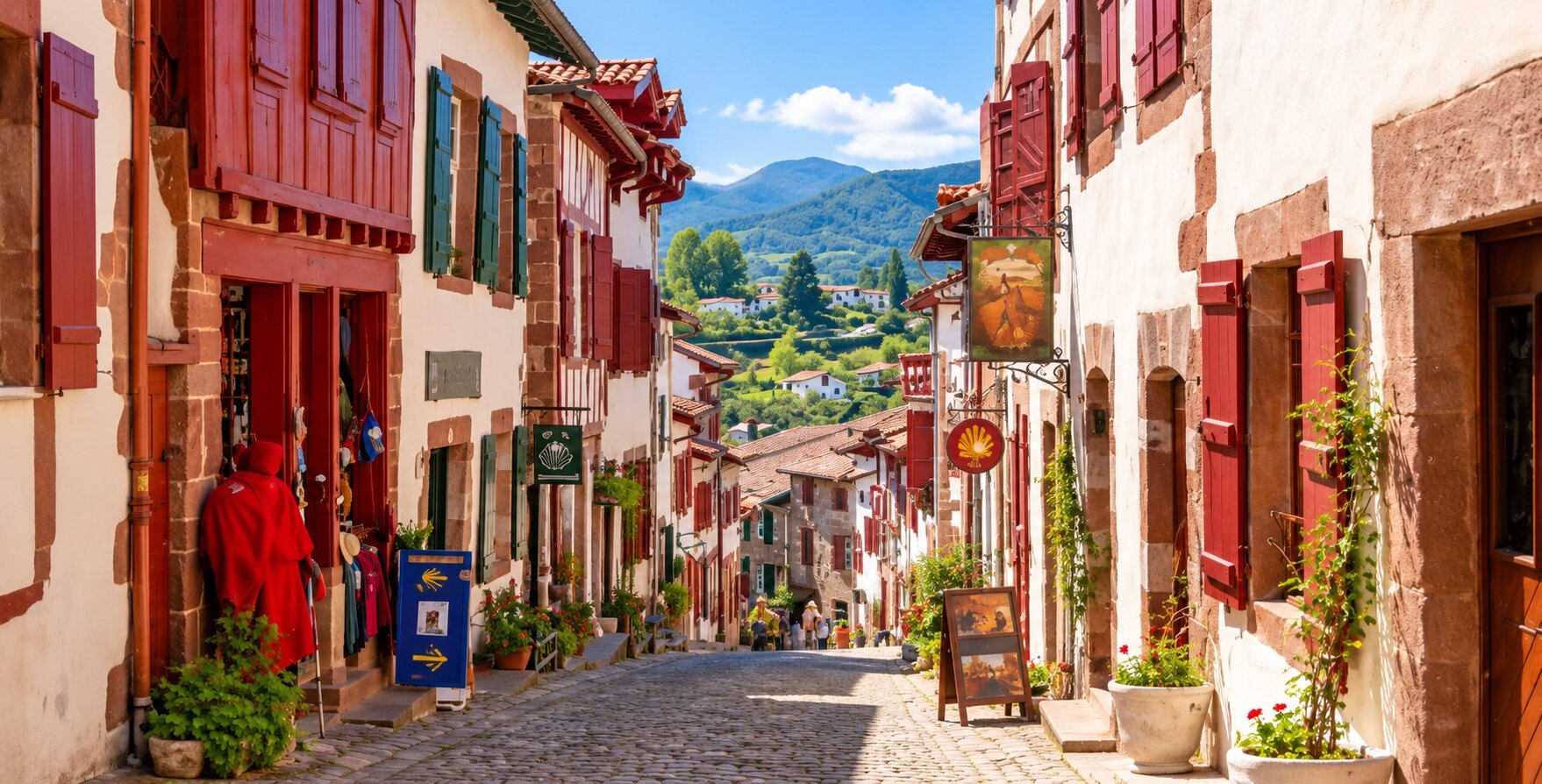
Visiting Saint-Jean-Pied-de-Port in December
Discover the charm of Saint-Jean-Pied-de-Port in December, with its rich historical heritage, winter walks and Basque traditions.
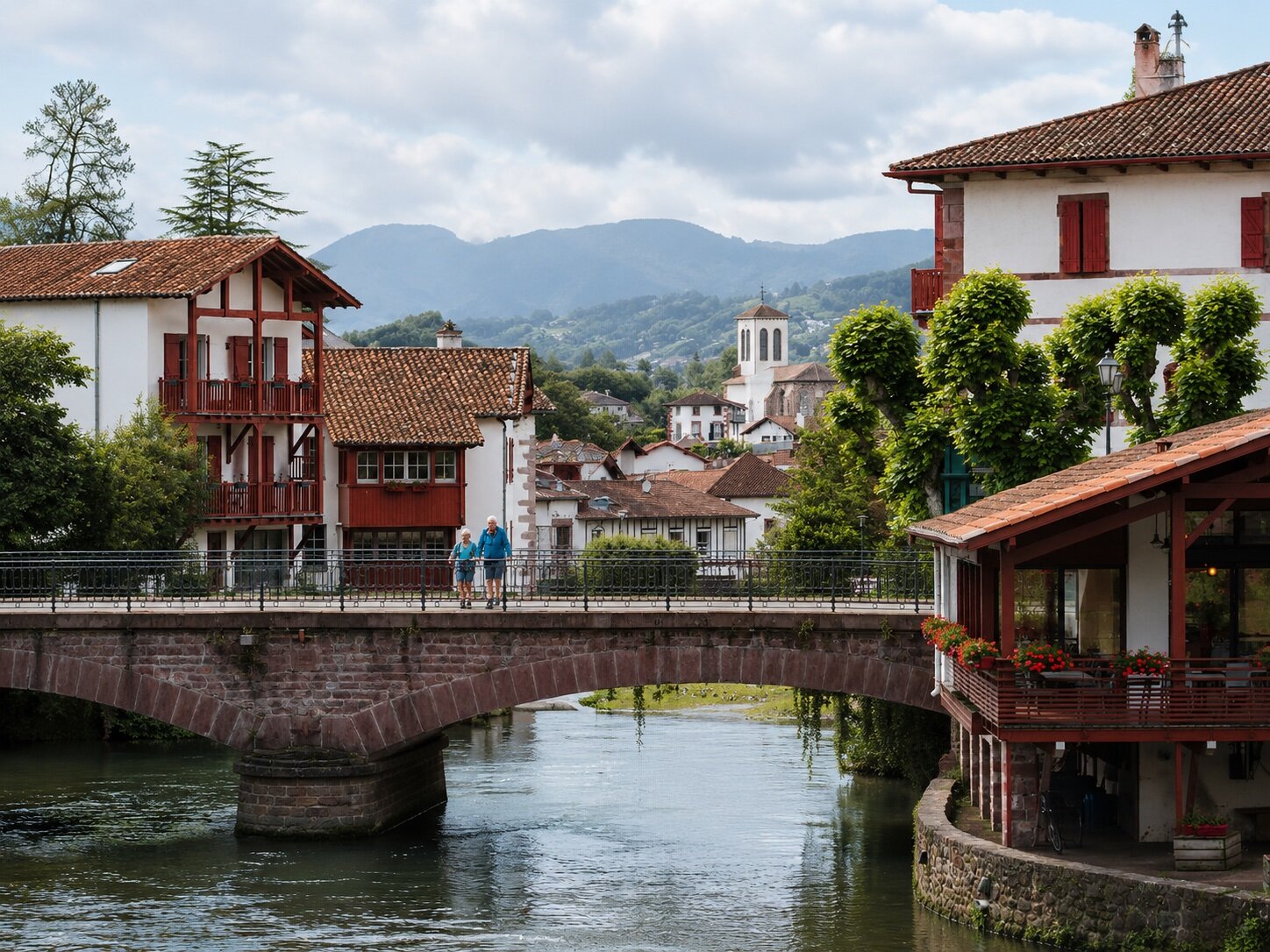
The Basque Country in November
Make the most of a break in the Saint-Jean-Pied-de-Port area in November to discover Basque traditions and local specialities, from pelota to cheese-making and a visit to Irouléguy.
Heritage
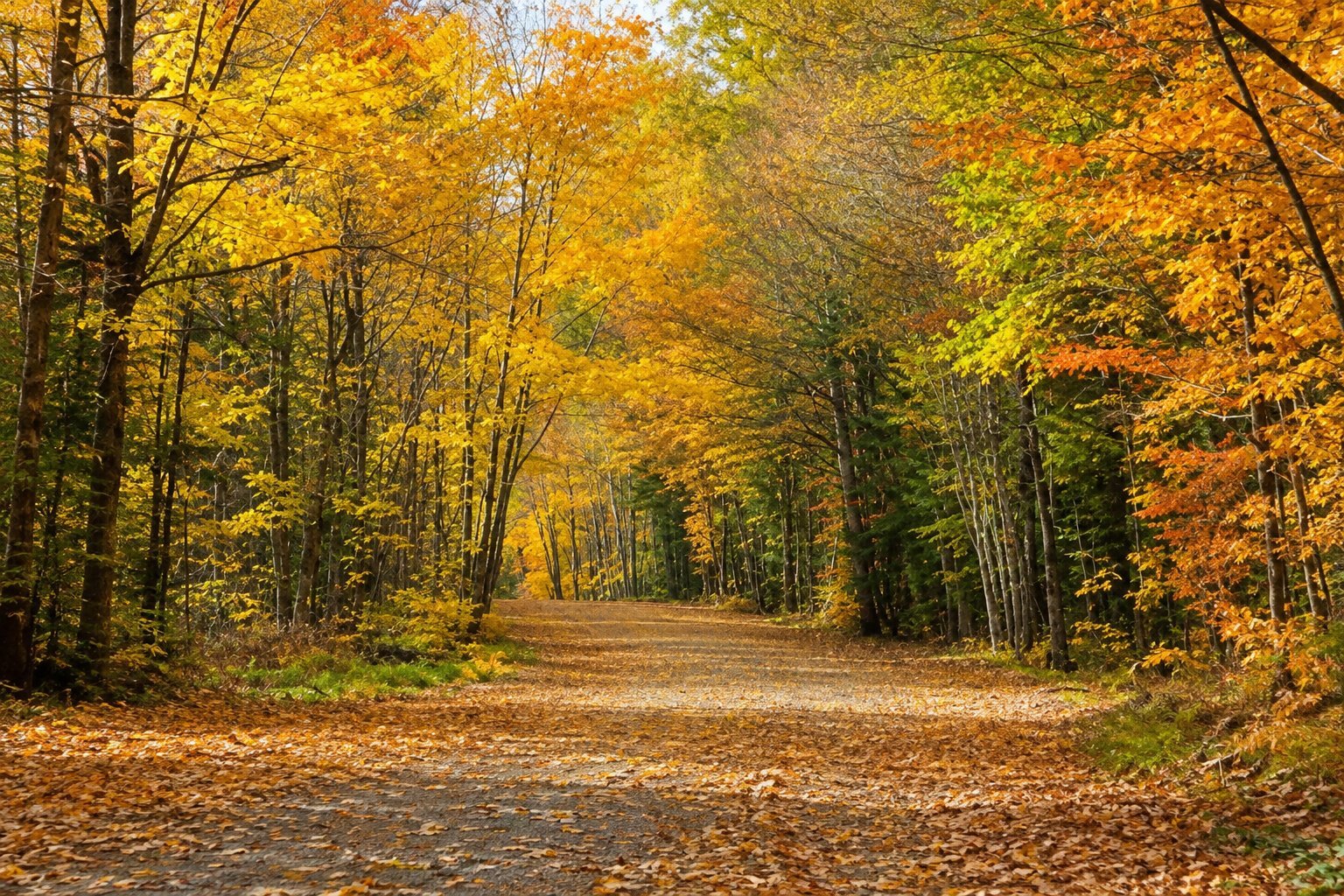
The Way of St James in October
In October, the Way of St James reveals another side to itself: magnificent autumnal landscapes, a more serene atmosphere and an authentic walking experience in the heart of the Basque Country.